


How to Act During a Pandemic: A 7-Step Preparedness and Response Guide That Actually Works
In late January 2020, while most Western media was still describing the new outbreak as a distant regional problem, a small number of people had quietly begun topping up their supplies, reviewing their emergency plans and preparing their homes for potential disruption. They weren't conspiracy theorists. They were people with basic knowledge of emergency preparedness and the discipline to act before the information hit mainstream headlines. The weeks that followed proved something that emergency management specialists have said for decades: in a pandemic, time is the most valuable resource. Those who acted before the panic had access to supplies, information and options that disappeared rapidly once the majority of people finally woke up to the situation. This guide is not about fear. It is about intelligent prevention — the seven concrete steps any family can implement to navigate a pandemic with more control, less anxiety and a greater capacity to protect the people they love.
BARBARA COSTA
5/23/20267 min read
Why Individual Preparedness Is a Collective Act
During a pandemic, healthcare systems become overwhelmed, supply chains are disrupted and authorities need time to organise coordinated responses. In that interval — which can last weeks or months — each family's ability to sustain itself independently not only protects its own members but relieves pressure on hospitals and essential services.
Individual preparedness is, paradoxically, an act of collective responsibility.
Step 1 — Monitoring: How to Identify a Real Threat Before the Chaos
Reliable Monitoring Sources
Follow regularly — not only during crises — the publications of the World Health Organization (WHO), the Centers for Disease Control and Prevention (CDC) and your national health authority. Configure alerts for terms like "outbreak", "public health emergency" and "novel pathogen".
The ProMED forum (Program for Monitoring Emerging Diseases) frequently identifies outbreaks weeks before mainstream media coverage. This is not paranoia — it is epidemiological intelligence.
Warning Signals That Require Immediate Action
Begin acting when you observe: a disease with high human-to-human transmission rates, mortality significantly above what is expected for the identified agent, or a Public Health Emergency of International Concern declared by the WHO. These are concrete triggers — do not wait for a formal pandemic declaration to begin your preparation.

Step 2 — Supplies: What to Stock and for How Long
The general pandemic preparedness rule is to have supplies for a minimum of 30 days of self-sufficiency without needing to leave the house. In more severe scenarios, 90 days is the standard recommended by emergency management specialists.
Food
Prioritise food with long shelf life, high caloric value and no refrigeration requirement: rice, beans, lentils, oats, pasta, canned tuna and sardines, olive oil, honey, sugar, salt, vinegar and dried fruit. Avoid stocking only what you don't normally eat — in a high-stress situation, food comfort matters for mental health.
Calculate 2,000 to 2,500 calories per person per day and multiply by the number of people and the intended days of supply.
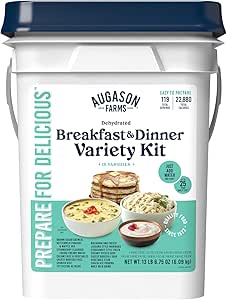
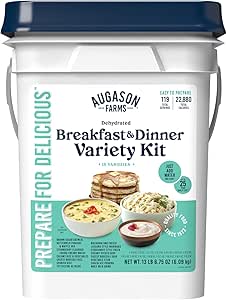
Augason Farms Breakfast and Dinner Variety Pail Emergency Food Supply Everyday
Water
The minimum standard is 4 litres per person per day — 2 for consumption and 2 for basic hygiene. For 30 days for a family of four: 480 litres. Store in food-grade containers with airtight lids. Also maintain backup purification methods: chlorine dioxide tablets, portable filter and knowledge of correct boiling procedure.
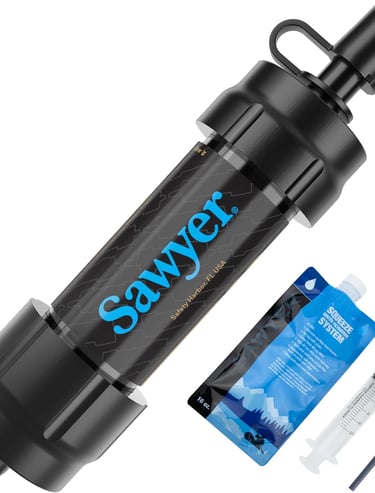
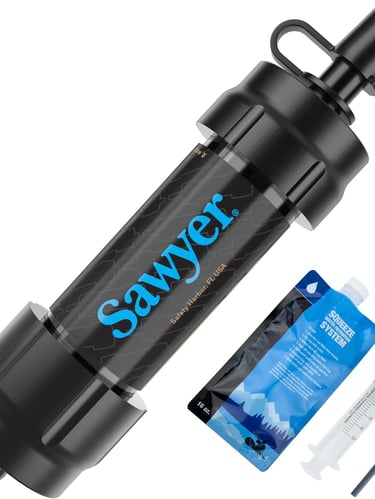
Sawyer Squeeze portable water filter — filters up to 378,000 litres before requiring replacement, removes 99.99999% of bacteria
Medications and Health
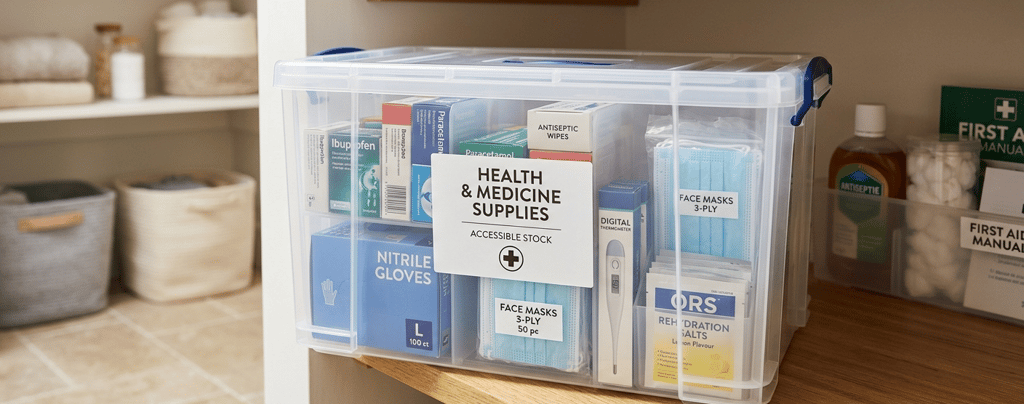
Build a basic stock of analgesics and antipyretics (paracetamol and ibuprofen), antihistamines, antidiarrhoeals, oral rehydration salts, a broad-spectrum antibiotic prescribed by your doctor, and every family member's continuous-use medications with at least a 60-day reserve.
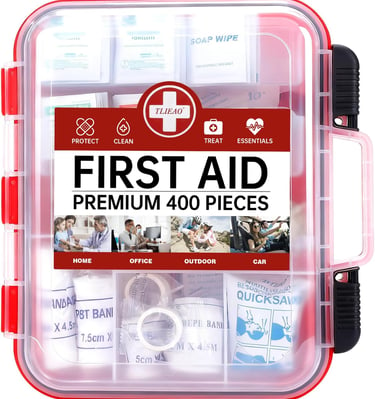
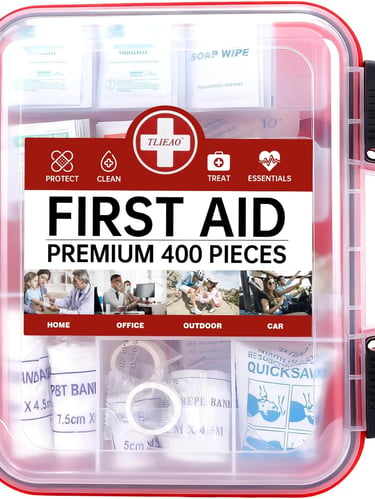
TLIEAO 400 Pieces All-Purpose First Aid Kit - Organized Dual-Layer Wall - Professional Medical Kit for Home, Car, Camping, Travel, Office, Outdoor, Business...
Step 3 — Personal and Family Protection
Personal Protective Equipment (PPE)
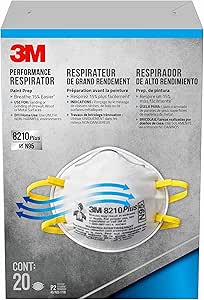
N95 or FFP2 masks offer real respiratory protection — simple surgical masks primarily protect others, not the wearer. In high-risk exposure situations, use N95 + safety goggles or face shield + disposable nitrile gloves.
3M 8210 Plus Paint Sanding Dust Particulate N95 Respirator, Disposable Respirators, 20-Pack

Hygiene and Disinfection
70% alcohol inactivates most enveloped viruses — including all coronaviruses — within 30 seconds of contact. Keep it at all home entry points. Establish a transition zone at the entrance: where outdoor clothing is changed, externally-touched surfaces are disinfected and hands are washed before any contact with other family members.
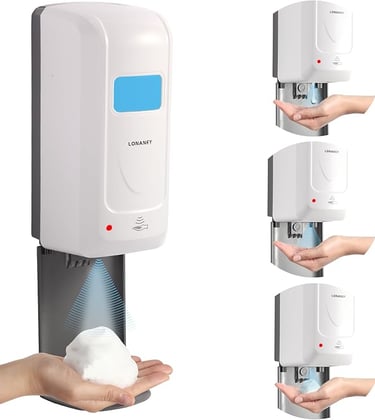
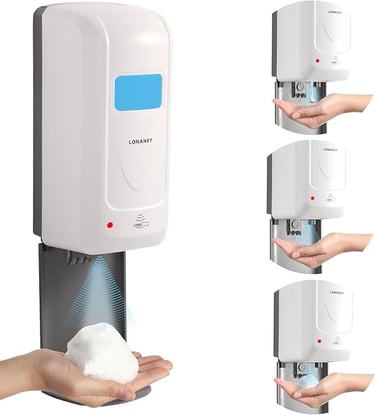
Touchless Automatic Foaming Hand Soap Dispenser Wall Mount, Motion Sensor Foam Liquid Refill Bottle Sanitizer Dispensing for Bathroom Kitchen Home Farmhouse Station
Ventilation and Air Quality
Respiratory pathogens transmit primarily through aerosols in enclosed, poorly ventilated environments. During elevated risk periods, keep spaces ventilated, avoid crowded indoor settings and consider HEPA air purifiers for spaces with vulnerable individuals.
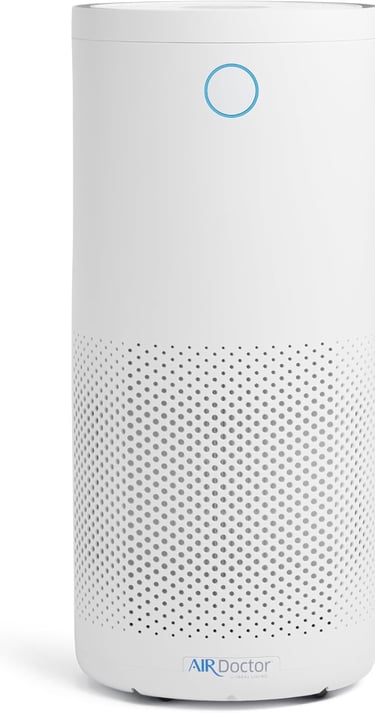
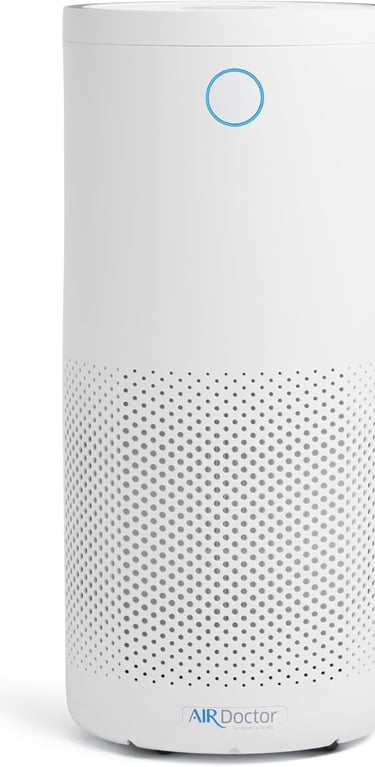
AIRDOCTOR AD4000 Air Purifier. Perfect for Large Rooms, Basements Up to 2,776 ft2. Removes Allergens, Smoke, Dust, Mold, Pet Hair, Odors, Pollen....
Step 4 — Family Action Plan
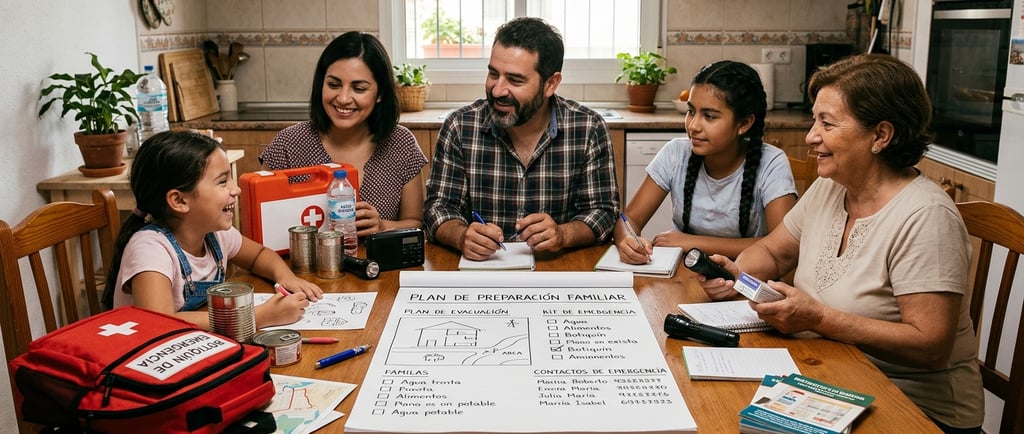
A documented family plan — written, not merely thought through — dramatically reduces anxiety and improves decision-making under pressure. Every family member should know the plan.
What the Plan Must Include
Communication protocol: designate an external contact outside the family (a relative in another city) in case local communication systems are overwhelmed. Establish fixed check-in times if members are in different locations.
Internal isolation protocol: if a family member shows symptoms, which room will be used for isolation? Which bathroom? Who provides care? How is food delivered without contact?
Medical decision protocol: which symptoms justify seeking hospital care vs. home treatment? What is the designated hospital or health unit? Who has priority for transport if urgent care is needed?
Essential documents: digital and physical copies of all family members' documents in an accessible location — they may be required to access services.


Step 5 — Mental Health During Isolation
This is the most neglected step in virtually every pandemic preparedness guide — and one of the most critical for long-term survival.
Prolonged isolation has documented and severe effects on mental health: anxiety, depression, insomnia, irritability and intensified interpersonal conflict. Preparing mentally is as important as preparing materially.
Evidence-Based Strategies for Mental Health Maintenance
Rigid routine: fixed times for waking, sleeping, eating and exercise are psychological anchors the brain uses as safety signals. Routines reduce the sense of chaos even in objectively chaotic situations.
News consumption limits: establish two fixed daily moments for updates — never continuous browsing. Constant negative information flow amplifies anxiety without adding real decision-making value.
Daily physical exercise: even in a restricted home environment, 30 minutes of moderate activity reduces cortisol, improves sleep and maintains immune function. This is not optional — it is part of the health protocol.
Intentional social connection: regular video calls with important people, online support groups, maintenance of hobbies. Physical isolation does not need to be social isolation.
Step 6 — Information and Misinformation: Navigating the Information Chaos
Pandemics generate two simultaneous viruses: the biological pathogen and misinformation. The second can be as lethal as the first — miracle cures, false protocols and risk denial have real medical consequences.
Before acting on any information during a pandemic, apply this filter: does the source have recognised scientific authority? Was the information published in a peer-reviewed journal? Do multiple independent sources confirm it? Does the content propose a solution too simple for a complex problem?
Be especially suspicious of unapproved treatments, content generating extreme fear without concrete data, and information circulating only in messaging groups without an identifiable primary source. Reference authorities include the WHO (who.int), CDC (cdc.gov), your national health ministry, and publications such as The Lancet and the New England Journal of Medicine.
Step 7 — Recovery and Return to Normality
The pandemic recovery phase is as important as the acute response phase — and equally neglected in planning.
Gradual social reintegration, rebuilding consumed stocks, updating the family plan based on lessons learned and continued attention to mental health are all essential components of complete recovery.
Document what worked and what failed in your family plan. That documentation is the most valuable input for your next preparation cycle.
The 5 Most Common Pandemic Preparedness Mistakes
Waiting for official confirmation to act. When the pandemic is officially declared, supplies are already scarce and prices have already risen. Effective preparation begins weeks or months before.
Stocking only what seems "serious". Hand sanitiser and masks yes — but toilet paper, soap, continuous-use medications and basic comforts are equally critical for weeks of isolation.
Ignoring mental health. Physical supplies without mental planning ensure material survival but psychological collapse. Both must be planned together.
Not documenting the plan. A plan that exists only in one person's head fails the moment that person is sick or unavailable.
Isolating from the community. Collectively prepared communities survive pandemics better than individually prepared people in isolation. Knowing neighbours, having mutual support networks and local communication systems are resilience multipliers.
Pandemic Preparedness Kit — The Essentials for 30 Days
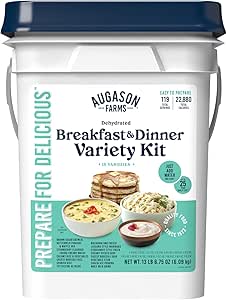

Augason Farms Breakfast and Dinner Variety Pail Emergency Food Supply Everyday
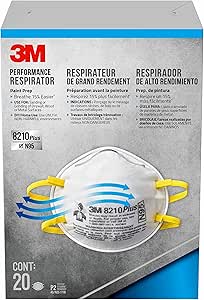
3M 8210 Plus Paint Sanding Dust Particulate N95 Respirator, Disposable Respirators, 20-Pack
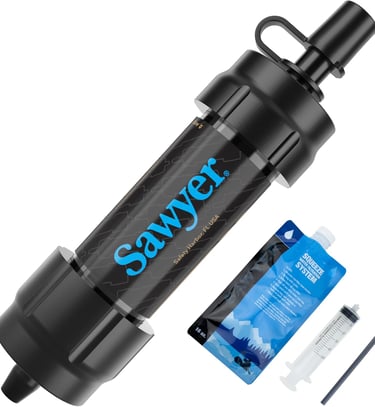
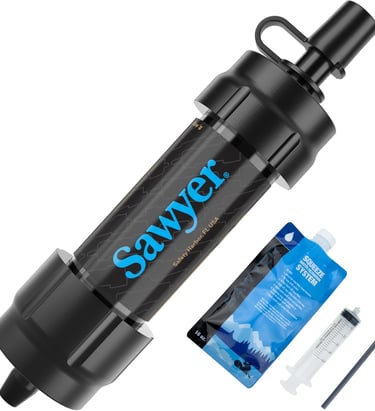
Sawyer Squeeze portable water filter — filters up to 378,000 litres before requiring replacement, removes 99.99999% of bacteria
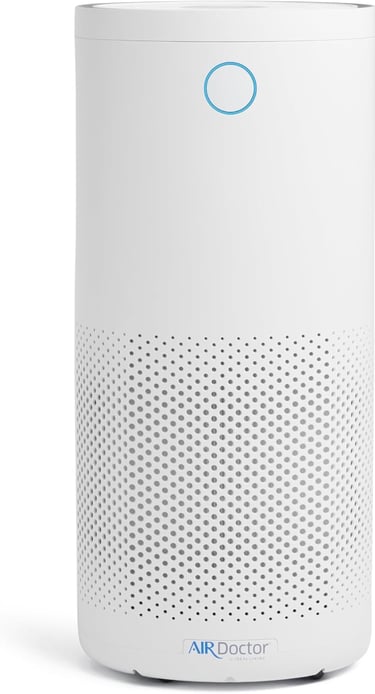
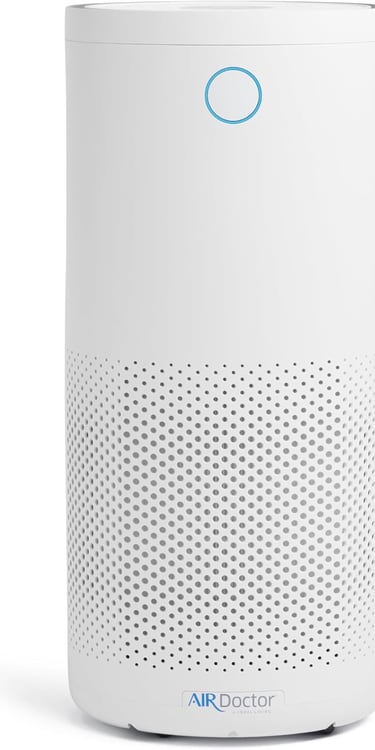
AIRDOCTOR AD4000 Air Purifier. Perfect for Large Rooms, Basements Up to 2,776 ft2. Removes Allergens, Smoke, Dust, Mold, Pet Hair, Odors, Pollen....
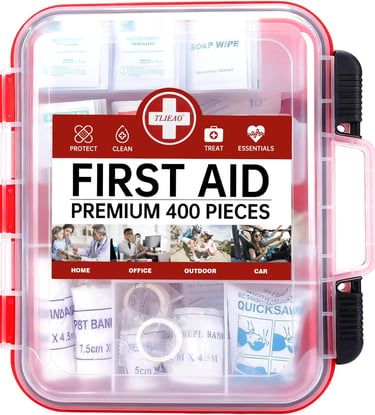
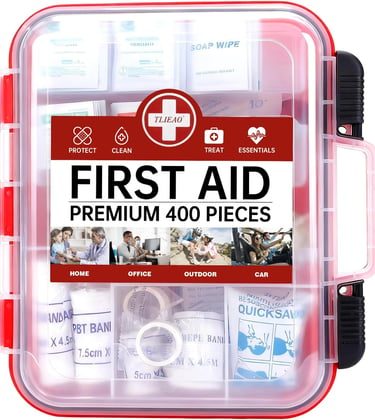
TLIEAO 400 Pieces All-Purpose First Aid Kit - Organized Dual-Layer Wall - Professional Medical Kit for Home, Car, Camping, Travel, Office, Outdoor, Business...


Hand Crank Emergency Radio, 10000mAh Weather Radio with AM/FM/NOAA, Solar Prower, SOS Alarm, Phone Charging, LED Flashlight, Portable Survival Gear for Outdoor & Home Emergencies Kits, Grey
Conclusion: Preparedness Is the Antidote to Panic
The people who navigated the COVID-19 pandemic with the most composure were not the wealthiest, the most privileged or the luckiest. They were the ones who had a plan, reasonable supplies and a clear family protocol.
Preparing for a pandemic is not living in fear — it is living with intelligence. It is the difference between being a victim of circumstances or an active agent of your own survival and your family's.
Start today. Build your stock gradually. Write the family plan. Talk to the people you love about what to do if it happens again. Because it will happen again.
Found this guide valuable? Save it, share it with the people you want to protect, and explore the rest of the emergency preparedness content here on the blog.
Contact
Contact us for questions or suggestions.
© 2025. All rights reserved.
suportedoisb@gmail.com